%2Ffit-in%2F250x250%2Fguide_websites%2F593%2Fimages%2F1781665871191logo.jpg&w=1920&q=100)
/users/5abb2a80-07ea-41d6-bf42-a5430d23de8f/ratecard/beg-mqhh8c1b.jpg)
%2F300x300%2Fusers%2F5abb2a80-07ea-41d6-bf42-a5430d23de8f%2Fratecard%2Fbeg-mqhh8c1b.jpg&w=256&q=75)
%2F300x300%2Fusers%2F5abb2a80-07ea-41d6-bf42-a5430d23de8f%2Fimages%2Fmontauk-bluefin-tuna-mahi-catch-2592.jpg&w=256&q=75)
%2F300x300%2Fusers%2F5abb2a80-07ea-41d6-bf42-a5430d23de8f%2Fimages%2Fmontauk-bluefin-tuna-catch-2612.jpg&w=256&q=75)
%2F300x300%2Fusers%2F5abb2a80-07ea-41d6-bf42-a5430d23de8f%2Fimages%2Fmontauk-deep-sea-fishing-catch-2435.jpg&w=256&q=75)
%2F300x300%2Fusers%2F5abb2a80-07ea-41d6-bf42-a5430d23de8f%2Fimages%2Fmontauk-bluefin-tuna-catch-2704.jpg&w=256&q=75)
%2F300x300%2Fusers%2F5abb2a80-07ea-41d6-bf42-a5430d23de8f%2Fimages%2Fmontauk-bluefish-fishing-catch-2553.jpg&w=256&q=75)
%2F300x300%2Fusers%2F5abb2a80-07ea-41d6-bf42-a5430d23de8f%2Fimages%2Fbluefin-tuna-montauk-catch-2536.jpg&w=256&q=75)
%2F300x300%2Fusers%2F5abb2a80-07ea-41d6-bf42-a5430d23de8f%2Fimages%2Fmontauk-bluefin-tuna-catch-2508.jpg&w=256&q=75)
%2F300x300%2Fusers%2F5abb2a80-07ea-41d6-bf42-a5430d23de8f%2Fimages%2Fmontauk-bluefin-tuna-catch-2560.jpg&w=256&q=75)
%2F300x300%2Fusers%2F5abb2a80-07ea-41d6-bf42-a5430d23de8f%2Fimages%2Fmonster-tuna-catch-montauk-2731.jpg&w=256&q=75)
%2F300x300%2Fusers%2F5abb2a80-07ea-41d6-bf42-a5430d23de8f%2Fimages%2Fyellowfin-tuna-montauk-catch-2665.jpg&w=256&q=75)
Full Day Beginner-Friendly Fishing in Montauk
 352 W Lake Dr, Montauk, NY
What you will be catching:
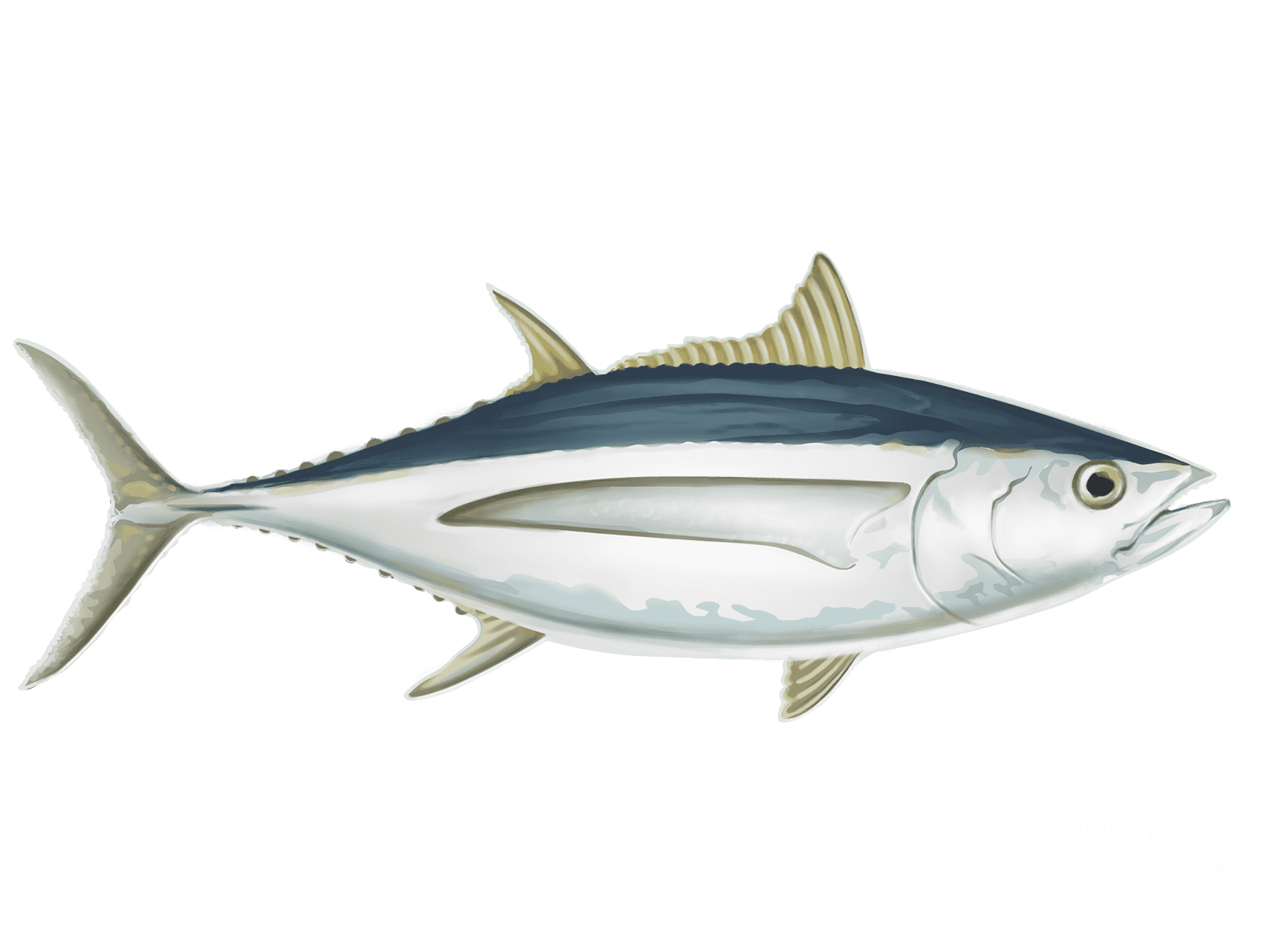
 Albacore Tuna
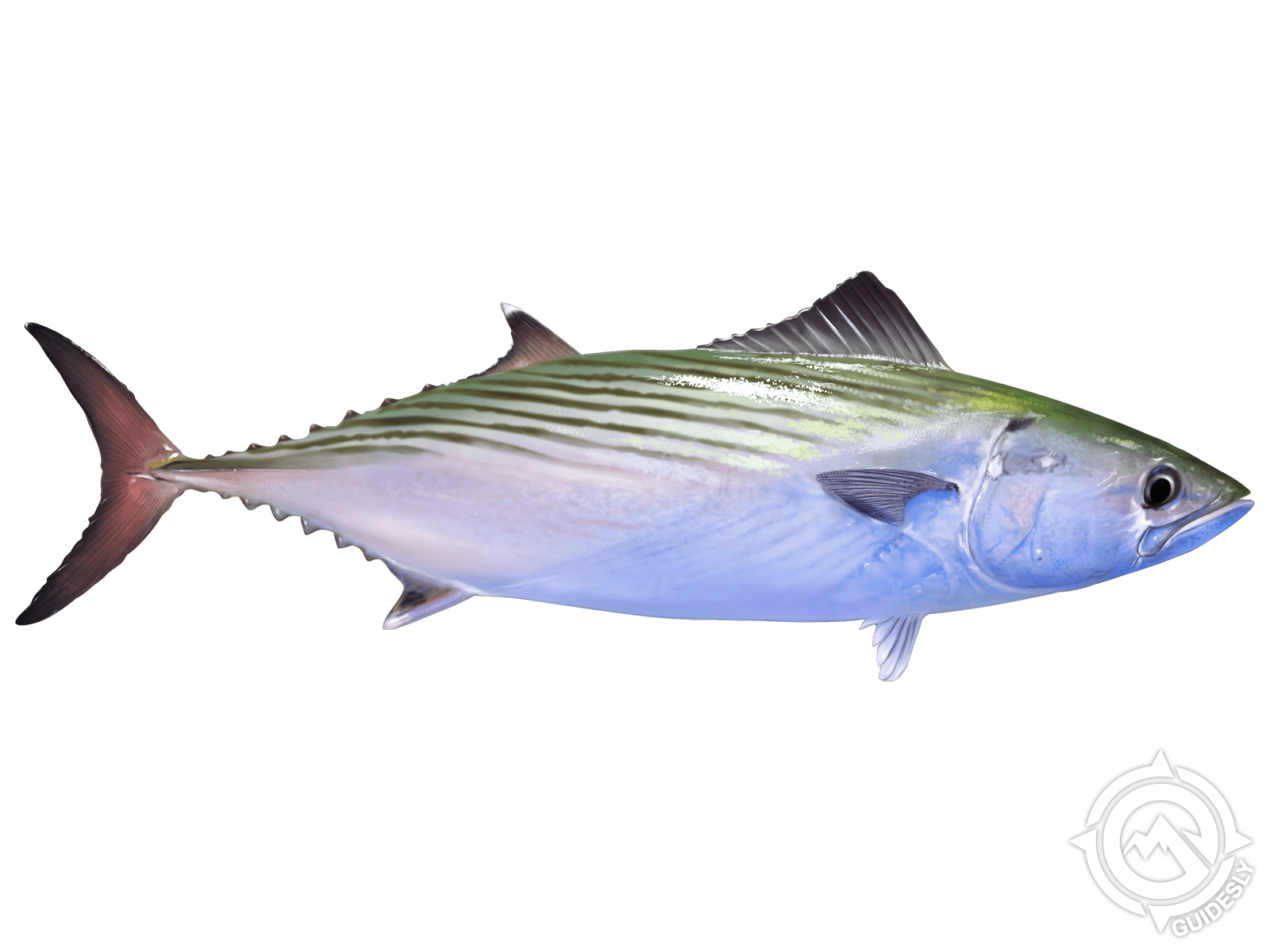
 Atlantic Bonito
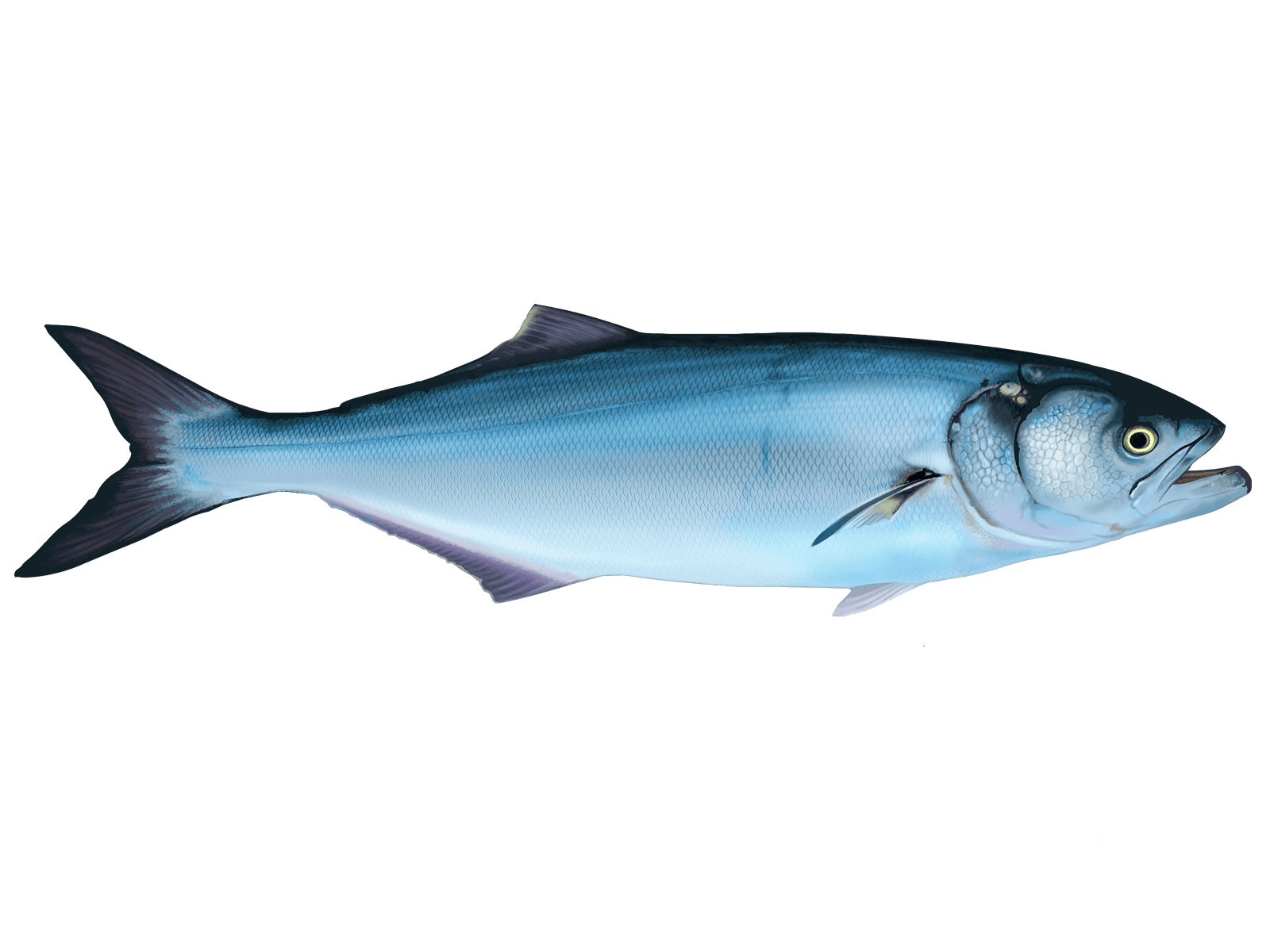
 Bluefish
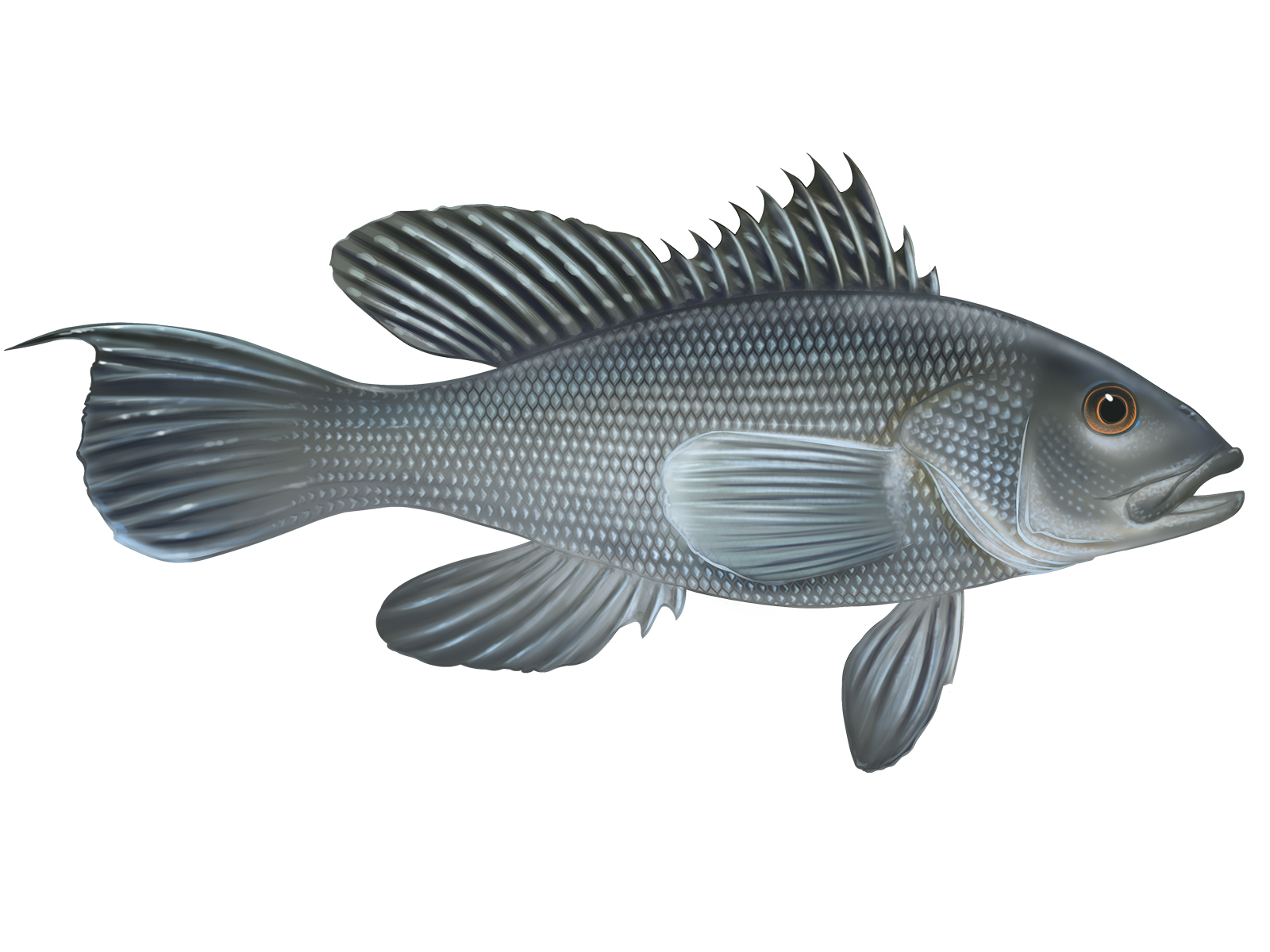 Sea Bass
 Summer Flounder
- Full-day beginner fishing trip with expert guidance
- Target striped bass, fluke, and bluefish species
- Small group experience limited to two guests maximum
Trip Pricing and Availabilities:
Full Day Beginner-Friendly Fishing in Montauk
Looking for the perfect way to get your feet wet in the fishing world? Captain Savio's got you covered with this top-rated 8-hour fishing adventure designed specifically for beginners, families, and anyone who's been thinking about trying their hand at angling. Montauk's legendary waters offer some of the best inshore fishing on the East Coast, and this trip puts you right in the middle of the action without any intimidation factor. With just 2 guests max, you'll get personal attention and hands-on coaching that'll have you casting like a pro by the end of the day.
What to Expect on the Water
This isn't your typical "throw you to the wolves" fishing trip. Captain Savio takes his time with newcomers, walking you through everything from how to hold the rod properly to reading the water for signs of fish. You'll spend your 8 hours exploring Montauk's most productive inshore spots, where the captain's local knowledge really shines. The pace is relaxed but purposeful – plenty of time to practice your technique between fish, ask questions, and actually understand what you're doing instead of just going through the motions. The small group size means no crowded decks or fighting for the captain's attention. Whether you're a complete rookie or someone who's fished a few times but wants to level up your skills, this trip meets you where you are.
Light Tackle Techniques
You'll be fishing with light tackle gear that's perfect for learning the fundamentals without getting overwhelmed by heavy equipment. Light tackle fishing is all about finesse – you'll feel every bump, every nibble, and every head shake when you hook up. Captain Savio focuses on teaching proper casting techniques, different retrieval methods, and how to work lures effectively in Montauk's varied inshore structure. From working eelgrass beds to targeting drop-offs and rocky areas, you'll learn to read the water and understand why fish hold in certain spots. The gear is forgiving enough for beginners but sensitive enough that you'll actually learn to distinguish between a fish bite and bottom contact. Plus, light tackle means even smaller fish put up a good fight, so every catch feels like a victory.
Top Catches This Season
Albacore Tuna might be small compared to their offshore cousins, but these false albacore (locals call them "albies") are pure adrenaline on light tackle. They show up in Montauk waters from late summer through fall, traveling in schools and feeding aggressively on baitfish. When you hook one, expect screaming runs and acrobatic jumps. They're perfect for beginners because they're relatively easy to find when they're around, and their aggressive feeding makes them willing biters. Bluefish are another customer favorite here – these toothy predators are found throughout the season and are known for their hard-hitting strikes and dogged fights. They're excellent for learning proper fish handling since you need to be careful of those choppers. Summer Flounder, or fluke, offer a completely different fishing experience. These flatfish require more subtle techniques, teaching you to feel light bites and set the hook at just the right moment. They're ambush predators that lie buried in sandy bottoms, making them a great species for understanding fish behavior. Atlantic Bonito arrive in late summer and early fall, often mixed with the albies. They're speed demons that'll test your drag system and teach you the importance of smooth, steady pressure when fighting fish. Sea Bass round out the mix as the perfect starter fish – they're abundant, relatively easy to catch, and great eating. Their rocky bottom habitat teaches you about structure fishing and why certain areas hold more fish than others.
Time to Book Your Spot
This beginner-friendly trip fills up fast, especially during peak season when Montauk's inshore bite is at its best. With only 2 spots available, Captain Savio can focus on making sure you actually learn something instead of just getting dragged around the water for 8 hours. You'll leave with real skills, confidence on the water, and probably a few fish stories to share. The combination of Montauk's world-class fishery, personalized instruction, and relaxed atmosphere makes this the perfect introduction to what could become a lifelong passion. Don't let another season pass wondering what you're missing out there – grab your spot and see why Montauk has been drawing anglers for generations.
Learn more about the species
Albacore Tuna
Albacore are the smaller cousins in the tuna family, typically running 20-45 pounds and built like silver bullets with those signature long pectoral fins. Out here in Montauk's deeper waters, we find them traveling in massive schools that can stretch for miles. They're always on the move since they need constant water flow over their gills. Best fishing happens late summer through fall when water temps are in the 60s. What makes albacore special is the fight - they're fast and strong, plus they're the only tuna you can legally call "white meat tuna." When trolling for them, keep your lures 50-90 feet back and watch for diving birds. Once you hook into a school, work fast since that first fish can spook the whole group if it gets away.
Atlantic Bonito
Bonito are like smaller, hyperactive tuna that show up in large schools during late summer and fall around Montauk. These silver speedsters average 3-8 pounds and can hit 40 mph when chasing baitfish. You'll spot them feeding on the surface in open water, often with their dorsal fins cutting through like mini sharks. They prefer water temps in the 60s and follow the bait migrations. While they're not great eating here in the States, they put up a fantastic fight on light tackle and are perfect for beginners who want to experience that tuna-like power. Look for birds working over a school, then cast anything shiny into the mix - they're not picky when feeding. Once you find a school, work it hard since they move fast and the bite window can close quickly.
Bluefish
Blues are aggressive predators that show up in Montauk waters from mid-June through October, weighing anywhere from snappers under a pound to chunky 15-pounders. They hunt in packs along our beaches, bays, and around structure, famous for those feeding frenzies that churn the water white. You'll find them in shallow water chasing baitfish, especially during moving tides. Guests love blues because they hit hard, fight dirty, and are perfect for learning since they're not picky about what they eat. The smaller ones are excellent table fare with mild, flaky meat. My tip: always use a wire leader or they'll bite right through your line with those razor-sharp teeth. When you see birds diving, get your lures in there quick - that's a bluefish blitz happening.
Sea Bass
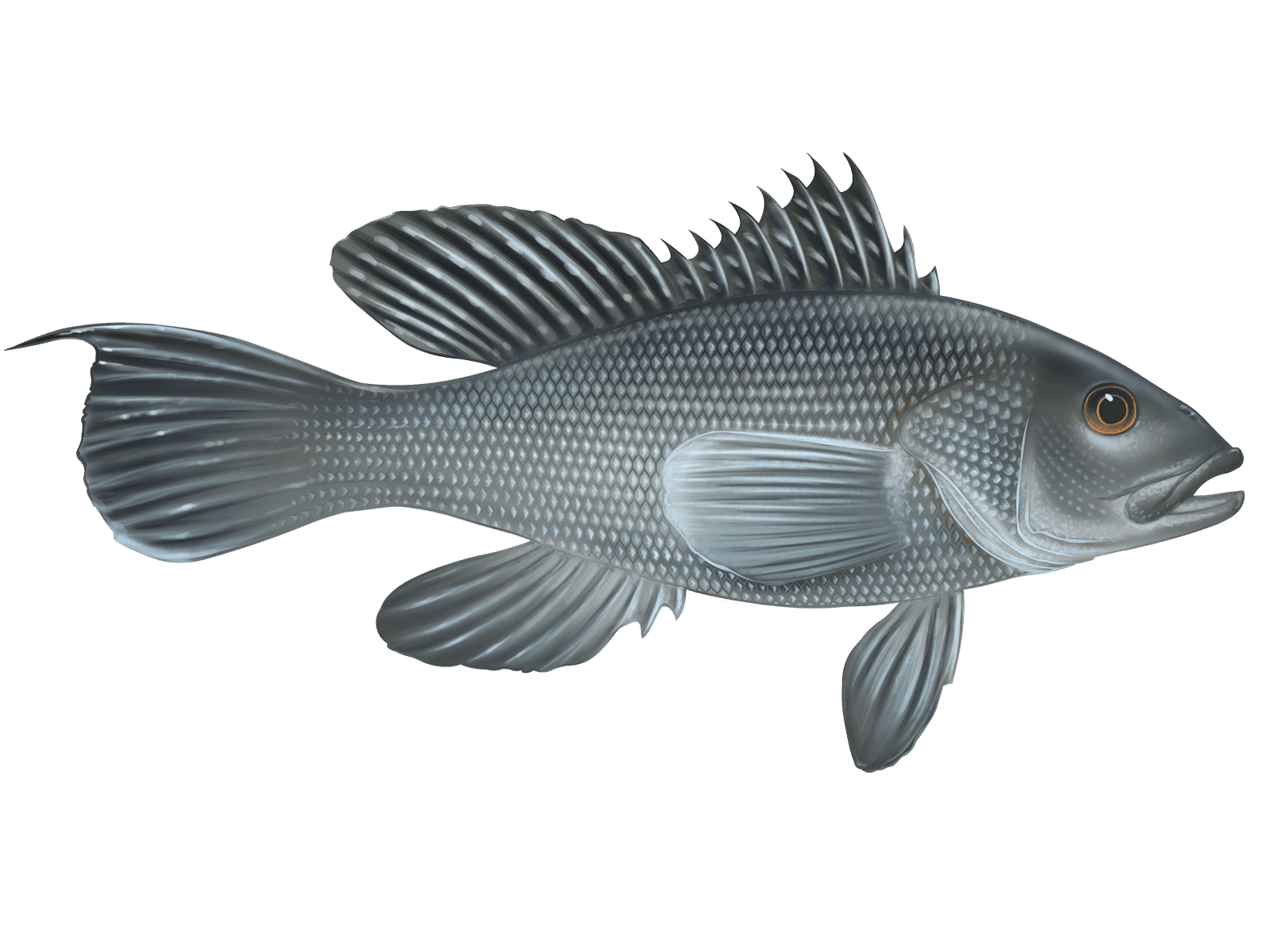
Black sea bass are chunky, bottom-dwelling fighters that hang around wrecks, reefs, and rocky structure in 30-150 feet of water. Most run 1-3 pounds, but we get some real chunks up to 8 pounds, especially in fall before they head offshore for winter. They're aggressive feeders with big mouths and sharp teeth, eating anything from crabs to small fish. Sea bass are a favorite with families because they bite readily and are some of the best eating fish in our waters - sweet, firm white meat that's prized in restaurants. The season typically runs May through December depending on regulations. My go-to technique is dropping a bucktail jig or clam bait right to the bottom near structure. Keep your jig moving slightly and be ready - they hit fast and head straight back to cover, so set the hook quick.
Summer Flounder
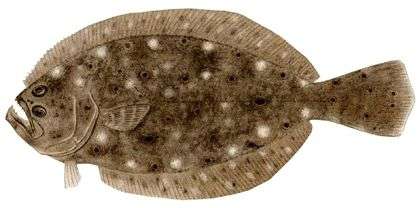
Fluke are masters of disguise, lying flat on sandy and muddy bottoms where they change color to match their surroundings perfectly. Around Montauk, we catch them from 12 inches up to doormat-sized fish over 8 pounds, with the bigger ones typically being females. They prefer depths from 20-100 feet near structure, drop-offs, and anywhere baitfish gather. Peak season runs May through October, with September and October producing the largest fish. Fluke are popular because they fight well for their size and make outstanding table fare - some of the best eating fish in our waters. The key technique is drifting with the current and keeping your bait moving just off the bottom. Use a bucktail jig tipped with squid or spearing, and remember to give them time to fully take the bait before setting the hook.
About the
%2F%2Fusers%2F5abb2a80-07ea-41d6-bf42-a5430d23de8f%2Fboat_picture%2Fimage-6270c8dd-eba7-4b9d-ad3f-91b4d6a79a4c.jpg&w=1920&q=75)
Vehicle Guest Capacity: 4
Manufacturer Name: Yamaha
Maximum Cruising Speed: 35
Number of Engines: 1
Horsepower per Engine: 200