%2Ffit-in%2F250x250%2Fguide_websites%2F593%2Fimages%2F1781665871191logo.jpg&w=1920&q=100)
/users/5abb2a80-07ea-41d6-bf42-a5430d23de8f/ratecard/messagesimage1825304463.png)
%2F300x300%2Fusers%2F5abb2a80-07ea-41d6-bf42-a5430d23de8f%2Fratecard%2Fmessagesimage1825304463.png&w=256&q=75)
%2F300x300%2Fusers%2F5abb2a80-07ea-41d6-bf42-a5430d23de8f%2Fimages%2Fmontauk-bluefin-tuna-mahi-catch-2592.jpg&w=256&q=75)
%2F300x300%2Fusers%2F5abb2a80-07ea-41d6-bf42-a5430d23de8f%2Fimages%2Fmontauk-bluefin-tuna-catch-2612.jpg&w=256&q=75)
%2F300x300%2Fusers%2F5abb2a80-07ea-41d6-bf42-a5430d23de8f%2Fimages%2Fmontauk-deep-sea-fishing-catch-2435.jpg&w=256&q=75)
%2F300x300%2Fusers%2F5abb2a80-07ea-41d6-bf42-a5430d23de8f%2Fimages%2Fmontauk-bluefin-tuna-catch-2704.jpg&w=256&q=75)
%2F300x300%2Fusers%2F5abb2a80-07ea-41d6-bf42-a5430d23de8f%2Fimages%2Fmontauk-bluefish-fishing-catch-2553.jpg&w=256&q=75)
%2F300x300%2Fusers%2F5abb2a80-07ea-41d6-bf42-a5430d23de8f%2Fimages%2Fbluefin-tuna-montauk-catch-2536.jpg&w=256&q=75)
%2F300x300%2Fusers%2F5abb2a80-07ea-41d6-bf42-a5430d23de8f%2Fimages%2Fmontauk-bluefin-tuna-catch-2508.jpg&w=256&q=75)
%2F300x300%2Fusers%2F5abb2a80-07ea-41d6-bf42-a5430d23de8f%2Fimages%2Fmontauk-bluefin-tuna-catch-2560.jpg&w=256&q=75)
%2F300x300%2Fusers%2F5abb2a80-07ea-41d6-bf42-a5430d23de8f%2Fimages%2Fmonster-tuna-catch-montauk-2731.jpg&w=256&q=75)
%2F300x300%2Fusers%2F5abb2a80-07ea-41d6-bf42-a5430d23de8f%2Fimages%2Fyellowfin-tuna-montauk-catch-2665.jpg&w=256&q=75)
3/4 Day Fishing Trip in Montauk, NY

 352 W Lake Dr, Montauk, NY
What you will be catching:
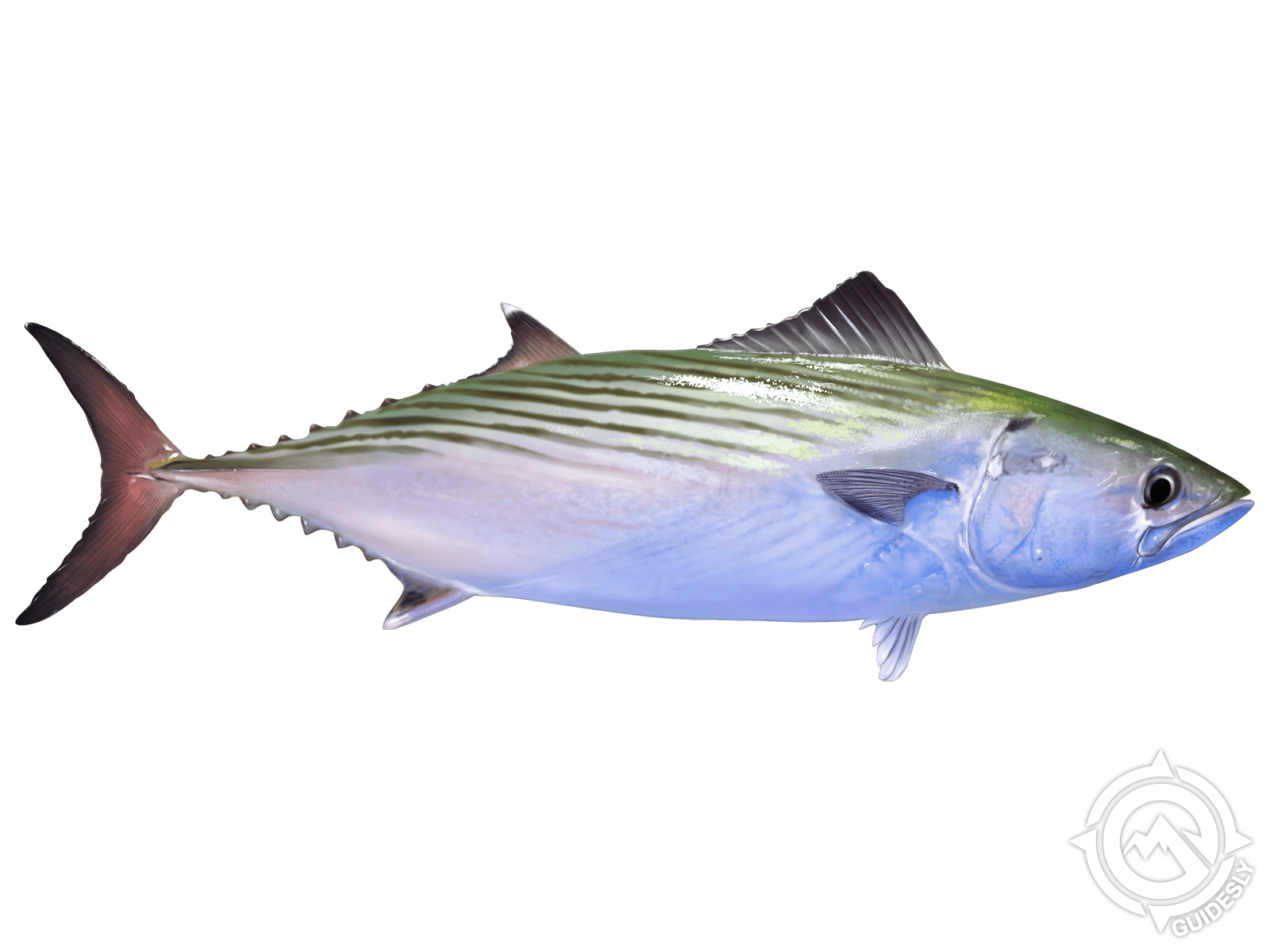
 Atlantic Bonito
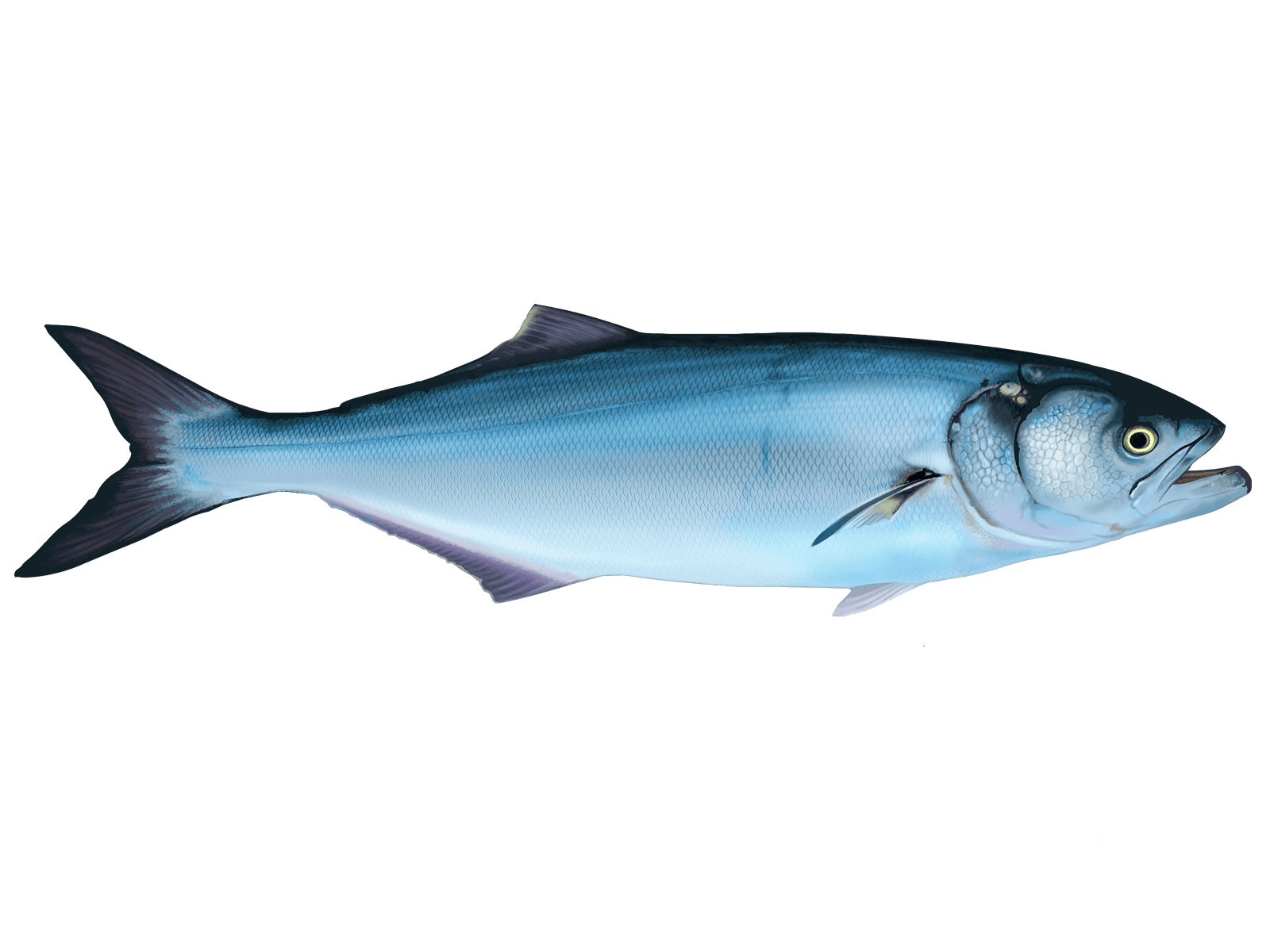
 Bluefish
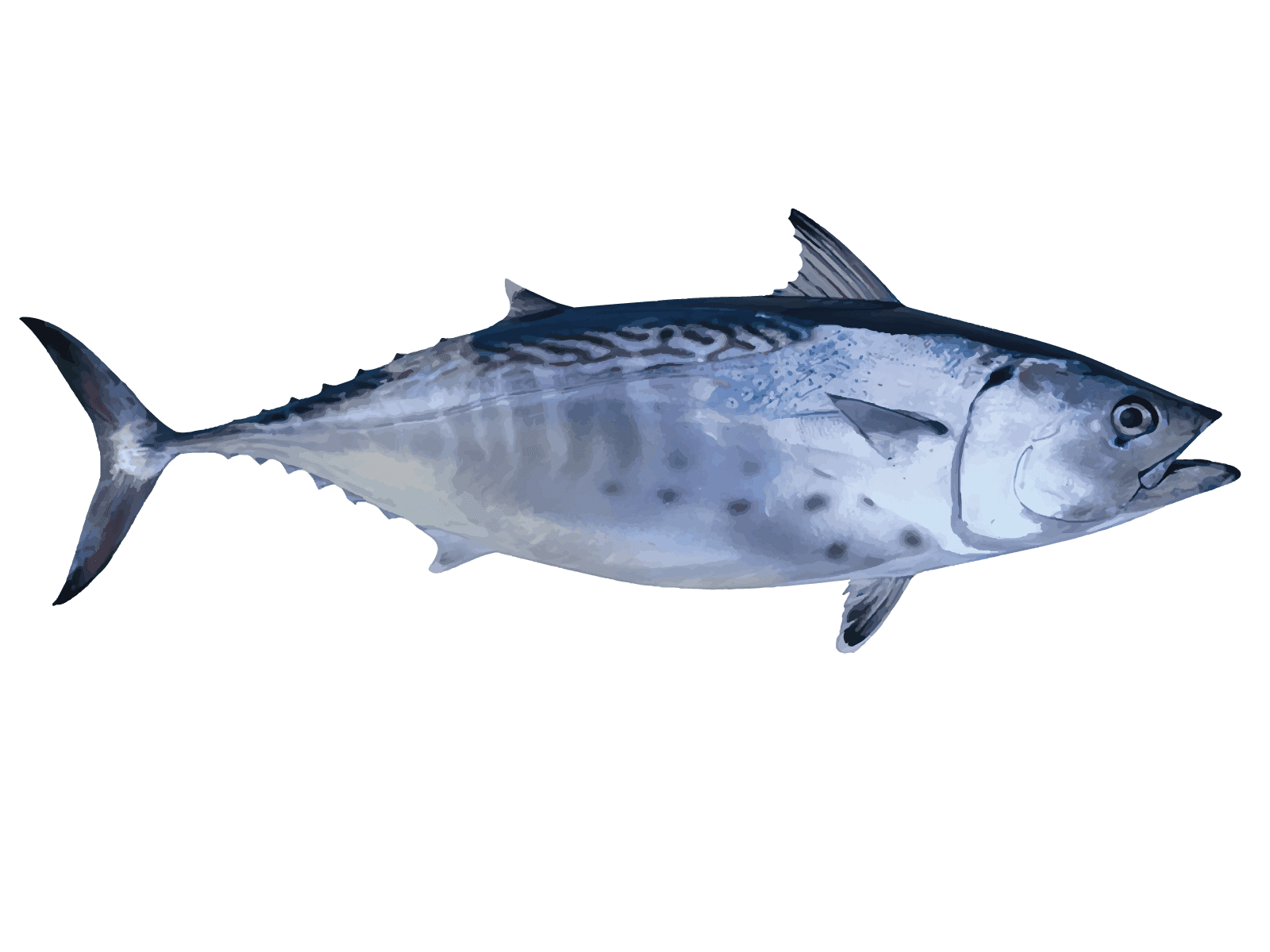
 Little Tunny
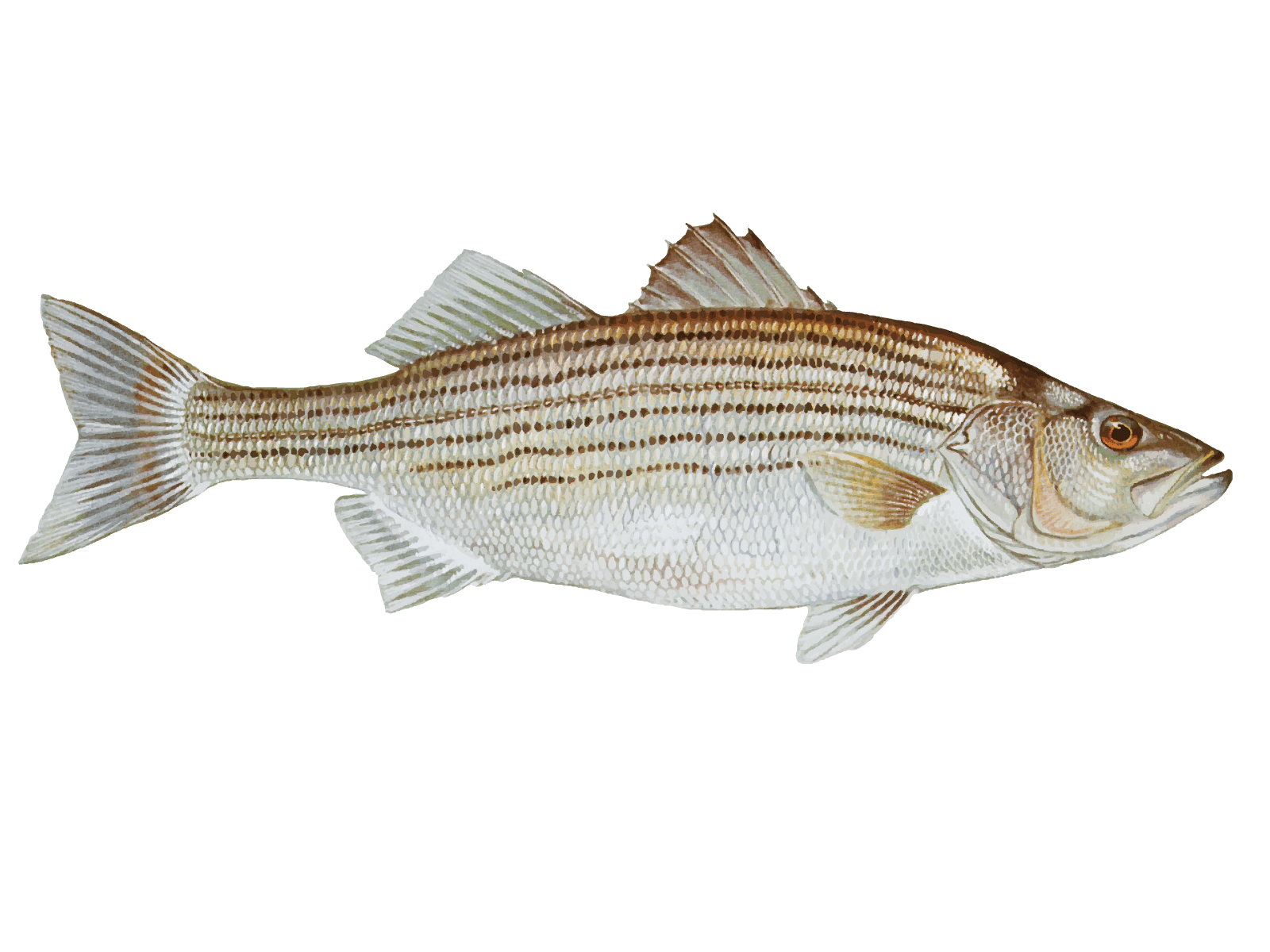
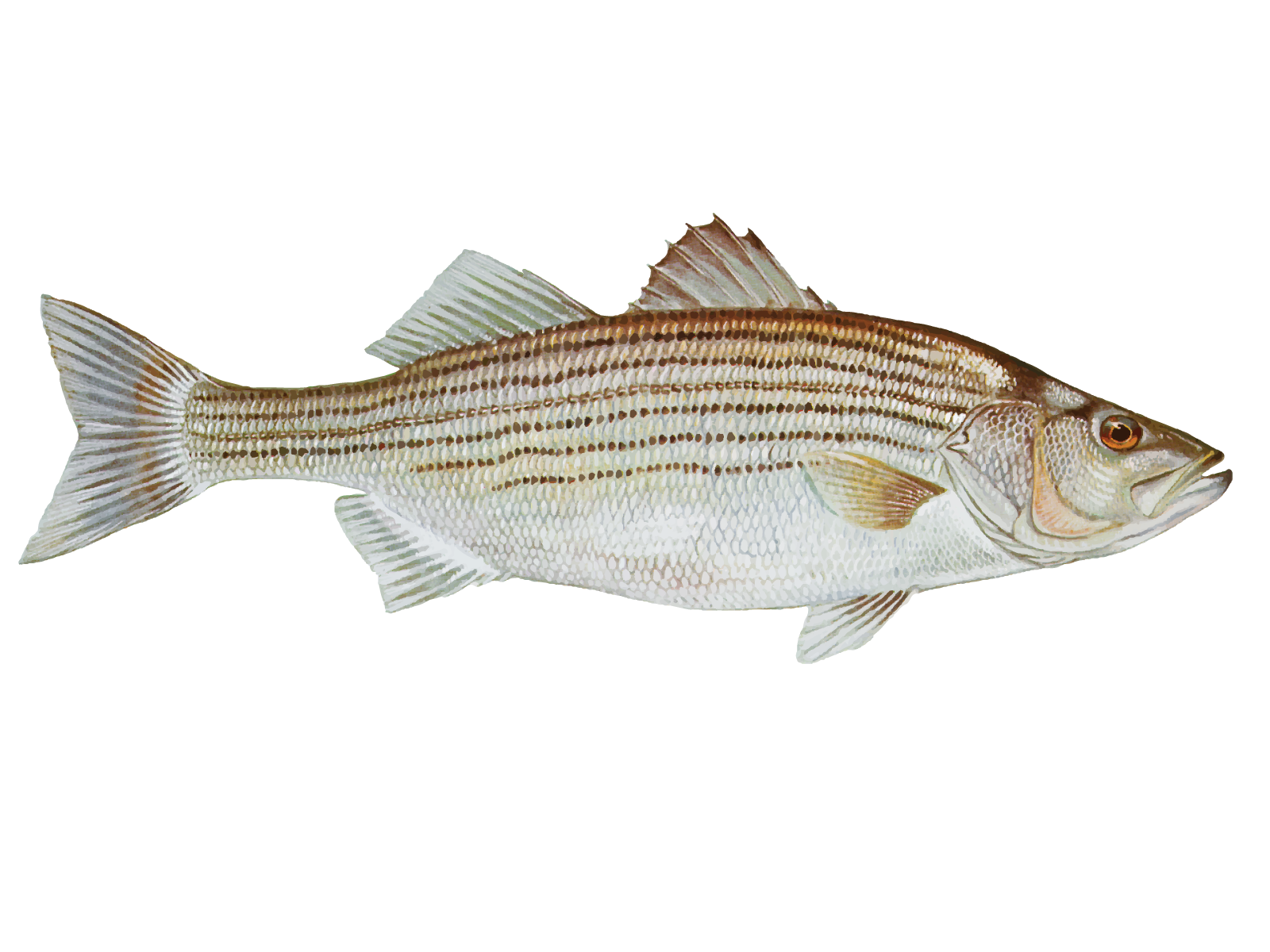 Striped Bass
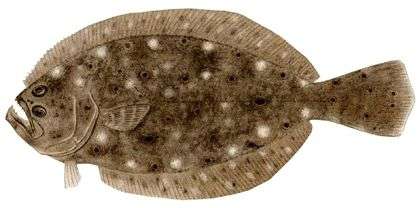
 Summer Flounder
- Six-hour inshore fishing trip targeting striped bass and fluke
- Light tackle methods featuring bucktailing and fly fishing techniques
- Exclusive small group experience limited to two guests maximum
Trip Pricing and Availabilities:
3/4 Day Fishing Trip in Montauk, NY
If you're serious about fishing the East Coast, Montauk is where you need to be. Captain Savio knows these waters like the back of his hand, and this 6-hour inshore adventure gives you real time to work the productive grounds where striped bass, fluke, bluefish, bonito, and false albacore make their living. This isn't some rushed half-day deal – you've got the time to really fish, move around, and adapt to what's happening on the water. Whether you're looking to put some fillets in the cooler or just enjoy a solid day of fishing with your buddy, this trip delivers the kind of action that keeps anglers coming back to Montauk year after year.
What to Expect on the Water
You're looking at 6 solid hours on some of the most productive inshore waters on Long Island. Captain Savio runs a tight ship with space for just two anglers, so you're not fighting for rod space or competing with a crowd. The beauty of Montauk's geography means you've got options – rocky structure, sandy flats, rips, and drop-offs all within striking distance. Depending on the season and conditions, you might start working the shallows for fluke in the morning, then move to deeper structure as the day heats up. The captain reads the water and adjusts the game plan based on what's biting and where the fish are staging. Don't expect to anchor in one spot all day – this is active fishing where you cover ground and follow the action.
Light Tackle Techniques
This trip is all about finesse fishing with light tackle that puts the fight back in the fish. You'll be working with bucktails, which are absolutely deadly on fluke and stripers when bounced along the bottom with the right action. Plugging is another go-to technique here – casting surface plugs and swimmers around structure where predators ambush baitfish. If conditions are right and you're into it, there's fly fishing opportunities too, especially when the false albacore and bonito are busting bait on the surface. Captain Savio knows when to switch tactics and isn't afraid to adapt if one approach isn't producing. The light tackle makes every fish feel bigger and gives you that direct connection to what's happening down there. Even a keeper fluke becomes a real scrap on the right gear.
Target Species
Striped bass are the backbone of Montauk fishing and the reason most anglers make the trip out here. These fish range from schoolies that are perfect for sharpening your skills to keeper-sized bass that can pull drag and test your technique. Spring and fall are prime time when the bass are feeding heavily during their migrations, but summer fishing can be excellent too, especially early morning and evening. What makes stripers special is their willingness to hit different presentations – they'll crush a bucktail bounced along the bottom, slam a surface plug at dawn, or sip a well-presented fly when they're being picky.
Summer flounder, better known as fluke, are the flatfish that turn every drift into a guessing game. These ambush predators bury themselves in sand and gravel, waiting to hammer anything that looks like an easy meal. Fluke season runs from spring through early fall, with the bigger "doormat" fish showing up in deeper water as summer progresses. The fight might not be spectacular, but there's serious satisfaction in feeling that distinctive fluke bite and setting the hook on a keeper. Plus, they're some of the best eating fish you'll find in these waters.
Bluefish are the aggressive, hard-fighting fish that can turn a slow day into chaos when they show up in schools. These toothy predators hit hard, run fast, and aren't shy about taking whatever you throw at them. Summer into fall is prime time for blues around Montauk, and when they're feeding on the surface, it's some of the most visual and exciting fishing you'll experience. Just remember to keep your fingers clear of those razor-sharp teeth when unhooking them.
Atlantic bonito and little tunny (false albacore) are the speed demons of Montauk's inshore waters. These small tunas show up in late summer and fall when the water temperatures are just right. They're incredibly fast, incredibly strong for their size, and absolutely spectacular on light tackle. When schools of bonito and albies are working bait on the surface, it's pure chaos – birds diving, bait scattering, and fish breaking water everywhere. They're catch-and-release fish typically, but the fight they put up makes them worth every cast.
Time to Book Your Spot
This 3/4 day trip with Captain Savio gives you the time and space to really fish Montauk's legendary waters the right way. With only two anglers on board, you're getting personalized attention and access to techniques and spots that larger boats can't offer. The 6-hour timeframe means you can work different areas as conditions change and really dial in on what's working. Whether you're a seasoned angler looking to add some Montauk magic to your logbook or someone ready to step up their inshore game, this trip delivers the kind of authentic Long Island fishing experience that builds lasting memories and hopefully fills the cooler too.
Customer Review
Learn more about the species
Atlantic Bonito
Bonito are speed demons that'll test your reflexes and drag system. These silver bullets typically run 4-8 pounds and can hit 40 mph when hooked. They school up in late summer and fall, often feeding on the surface where you'll see birds diving and fish breaking water. Look for them in open water around temperature breaks and bait schools. What anglers love is that blistering first run - they'll scream line off like nothing else this size. They're not great eating here in the States, but they're pure sport on light tackle. The schools move fast, so when you find them, work quickly. Best tip: match the bait size they're feeding on. Small metals or soft plastics work great, and don't be shy about casting into the commotion when they're feeding on top.
Bluefish
Blues are aggressive feeders that'll hit hard and fight dirty. Most run 3-10 pounds around here, though bigger ones show up. They travel in schools and love to blitz baitfish in shallow water, creating those washing machine feeding frenzies you can spot from miles away. Best fishing is summer through fall when they're actively feeding. You'll find them around structure, inlet mouths, and wherever the bait is thick. What guests love is that raw aggression - they'll demolish lures and give you a solid scrap. The smaller "cocktail blues" are excellent eating with sweet, flaky meat. Watch those teeth though - they'll cut you up good. My advice: when you see the water exploding with bait, get a lure in there quick. Wire leaders help, and don't be afraid to fish fast and aggressive like they do.
Little Tunny
Also called false albacore, these torpedo-shaped fighters average 10-12 pounds but can hit 20. You'll find them in schools around Montauk's inshore waters from late summer through fall, often feeding near the surface where birds work. They prefer water temps in the 60s and love chasing baitfish around jetties and drop-offs. What makes them special is that raw speed and endurance - they'll peel drag and test your skills on light tackle. The meat's red and has a stronger flavor than regular tuna, but it's actually quite good when handled properly. Pro tip: when you see birds diving and hear splashing, get there fast. These schools move quickly, but once you're on them, they'll hit almost anything you throw.
Striped Bass
Stripers are the bread and butter of our fishery - strong, smart, and always a thrill to catch. They run anywhere from schoolies at 20 inches up to cow bass pushing 40-plus pounds. You'll find them around structure like rocks, drop-offs, and rips where current brings baitfish. Spring and fall migration periods are prime time when they're feeding heavily. What makes them special is that combination of size, fight, and excellent eating quality. They're also challenging - you need to match the bait they're keying on. Dawn and dusk are magic hours, but they feed all day during good conditions. My go-to tip: watch for bird activity and bait schools. When you see diving birds, get there fast. Also, don't be afraid to fish the back side of the rips where smart fish often wait.
Summer Flounder
Fluke are the masters of disguise, lying flat on sandy bottoms waiting to ambush prey. Most run 2-5 pounds, but doormat-sized fish over 8 pounds make for trophy catches. You'll find them on sandy areas, around structure transitions, and anywhere current brings food. Prime time is late spring through early fall when they're actively feeding. What makes fluke special is they're excellent table fare - firm, white, sweet meat that's hard to beat. The challenge is reading bottom structure and staying mobile until you find them. They can be picky, so varying your presentation helps. Here's the key: use just enough sinker to stay on bottom, and always keep moving. If you're not getting bit after 10 minutes, try a new spot. The fish are there, you just need to find the active ones.
About the
%2F%2Fusers%2F5abb2a80-07ea-41d6-bf42-a5430d23de8f%2Fboat_picture%2Fimage-6270c8dd-eba7-4b9d-ad3f-91b4d6a79a4c.jpg&w=1920&q=75)
Vehicle Guest Capacity: 4
Manufacturer Name: Yamaha
Maximum Cruising Speed: 35
Number of Engines: 1
Horsepower per Engine: 200