%2Ffit-in%2F250x250%2Fguide_websites%2F593%2Fimages%2F1781665871191logo.jpg&w=1920&q=100)
Bluefin Tuna Fishing in Montauk NY with Captain Savio
Bluefin Tuna Fishing in Montauk - What to Expect
%2F%2Fusers%2F5abb2a80-07ea-41d6-bf42-a5430d23de8f%2Fimages%2Fmontauk-bluefin-tuna-catch-2704.jpg&w=1920&q=75)
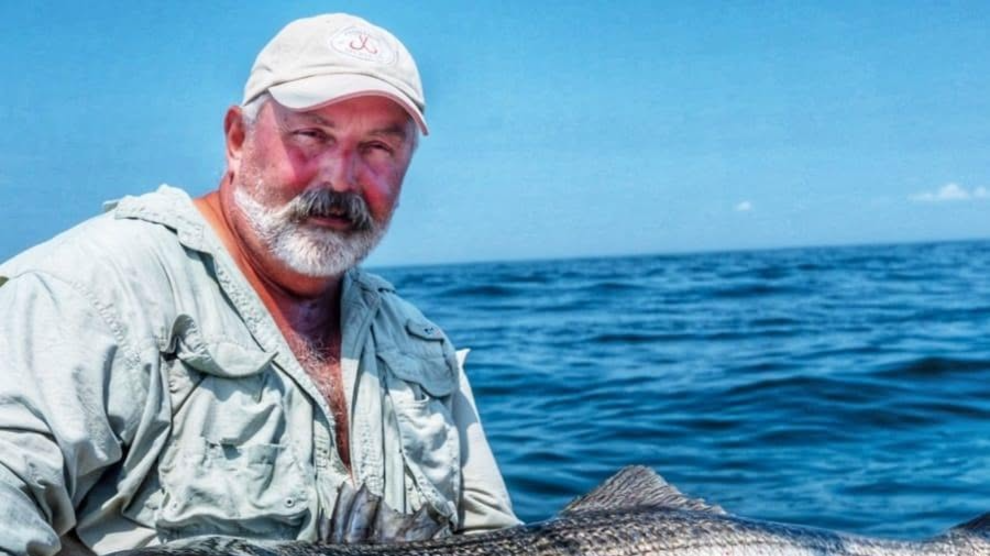
Fishing Charter by Captain Savio Mizzi in July
- Light tackle fishing-striper, fluke, blues, albies


Summary
Join Captain Savio Mizzi of Fishooker for an unforgettable bluefin tuna fishing charter in Montauk on a Wednesday in July. This offshore fishing adventure puts you on the water chasing one of the most prized game fish on the East Coast, where skill and patience meet the thrill of the catch.
Fishing Charter with Captain Savio Mizzi - Rates & Booking
Captain Savio Mizzi of Fishooker was on the water in Montauk on Wednesday, July 9th, landing this impressive bluefin tuna. This fishing charter experience offers the chance to target some of the most exciting game fish available in the Atlantic. To book your own adventure or get current rates and availability, reach out to Fishooker directly for the best options suited to your group and schedule.
When you charter with an experienced local operator like Fishooker, you're getting genuine expertise. Captain Savio knows the waters around Montauk inside and out, understanding the seasonal patterns and techniques that work best for bluefin tuna. All the fishing knowledge and local insight you need is included, along with access to well-maintained equipment built for serious offshore fishing.
Highlights of Bluefin Tuna Fishing
Bluefin tuna are the ultimate offshore prize. These powerful fish are incredibly strong fighters that demand technique, endurance, and respect. When you hook into one, you're in for an adrenaline-packed battle that tests both your skills and your stamina. The sheer power and size of these fish make every encounter memorable.
Montauk sits at the edge of the continental shelf, making it one of the premier bluefin tuna destinations on the East Coast. The positioning attracts migrating bluefin from late spring through summer, and the rich waters provide exactly the conditions these fish love. Being out on the Atlantic with experienced anglers and a knowledgeable captain creates an atmosphere of real anticipation and camaraderie.
Local Species Insights: Bluefin Tuna
Bluefin tuna are built for speed and power. These fish can weigh hundreds of pounds and cruise the open ocean at impressive speeds, traveling vast distances in pursuit of baitfish. They're warm-blooded for a fish, meaning they maintain higher body temperatures than most marine species, which contributes to their incredible athleticism and aggression on the line.
In the waters around Montauk, bluefin tuna follow seasonal migrations that bring them through in summer and early fall. They feed on mackerel, herring, and squid, and they're attracted to areas where these prey species concentrate. The continental shelf break near Montauk creates perfect feeding grounds where tuna converge, making it a consistent destination for serious anglers.
What makes fishing for bluefin so thrilling is the combination of unpredictability and intensity. You might see them breaking on the surface or spot them on sonar, but once the bite is on, everything changes fast. The fight is legendary, the rush is real, and landing a bluefin tuna is something anglers remember for years.
The offshore environment around Montauk can be dynamic. Atlantic swells, currents, and changing water conditions are part of the experience. Experienced captains navigate these conditions skillfully, finding the productive zones and adjusting tactics based on what the fish are doing that day. Being on the water with someone who knows how to read the ocean makes all the difference.
Plan Your Bluefin Tuna Fishing Day
A typical bluefin tuna charter involves heading offshore into deeper water where these fish roam. You'll spend your day actively fishing, with Captain Savio guiding you through technique, spotting opportunities, and managing the overall strategy. Bring your energy and willingness to work the rod, because bluefin don't surrender easily.
The offshore environment demands respect and proper preparation. Wear layers you can adjust, bring sun protection, stay hydrated, and be ready for motion on the water. The physical demands of fighting a large tuna are real, so arriving rested and in decent shape helps you enjoy the experience more fully. Let the captain know your experience level so they can set realistic expectations and keep everyone safe and having fun.
Fishing in Montauk, NY: Bluefin Tuna
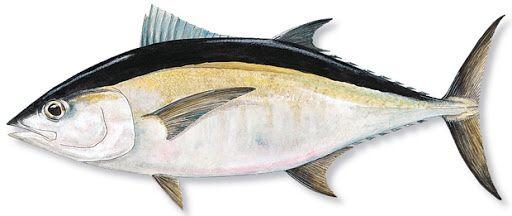
Bluefin Tuna Overview
The Atlantic Bluefin Tuna (Thunnus thynnus) is a legendary member of the Scombridae family within the order Perciformes, and it stands as one of the ocean's most awe-inspiring predators. These magnificent creatures sport a striking color palette—brilliant blue on their dorsal surface, shimmering silver-white on their underside, and distinctive reddish rear fins. What truly sets them apart from their tuna cousins is their relatively smaller pectoral fins, a feature that makes identification straightforward for experienced anglers. Beyond their stunning appearance, Bluefin Tuna are warm-blooded fish, a rare trait among marine species that allows them to thrive in both frigid Northern Atlantic waters and warmer tropical regions. Their streamlined, torpedo-shaped bodies are engineering marvels, built for explosive speed and remarkable endurance across vast ocean distances.
Bluefin Tuna Habitat and Distribution
Bluefin Tuna are native to both the eastern and western Atlantic Ocean, making them highly migratory species found across a vast geographic range. Their territory spans from the cold waters off Newfoundland all the way south to the Gulf of Mexico, with populations also inhabiting the Mediterranean Sea. These fish are rare warm-blooded fish, enabling them to navigate and thrive in cold northern territories as comfortably as they do in tropical waters. The Mediterranean populations were once abundant, though they've faced significant pressure from commercial fishing. Today, anglers pursuing these incredible fish encounter them in offshore waters where currents converge and food sources concentrate. Around major Atlantic fishing ports, local knowledge reveals seasonal migration patterns that keep dedicated anglers on high alert during peak activity months.
Bluefin Tuna Size and Weight
Atlantic Bluefin Tuna hold the title as the largest members of the tuna family, and their size commands respect on the water. Typical specimens average around 6.5 feet in length and weigh approximately 550 pounds—already impressive by most standards. However, these fish are capable of reaching truly staggering proportions, with documented catches approaching 12 feet in length and weighing up to 1,400 pounds or more. For practical fishing purposes, anglers targeting Bluefin should anticipate encounters with fish ranging from 78 inches (the minimum viable size) to a whopping 180 inches, with weights fluctuating between 200 and 600 pounds in typical angling scenarios. The Pacific Bluefin Tuna, while related, is considerably smaller, averaging just 5 feet and 130 pounds, making the Atlantic cousin distinctly more formidable.
Bluefin Tuna Diet and Behavior
Bluefin Tuna are apex predators with voracious appetites that drive them to actively hunt throughout their range. These fish primarily pursue smaller fish species including mackerel and herring, showing a particular preference for herring as a staple food source. Their diet also incorporates invertebrates such as crustaceans and squid, supplemented occasionally by kelp and zooplankton when larger prey becomes scarce. What makes them truly formidable is their remarkable speed—these fish regularly cruise at 43 mph and can execute explosive bursts of acceleration that leave prey with virtually no escape route. Their diving capability extends to depths of 3,300 feet, allowing them to hunt in the deep water column where few other fish dare venture. Young Bluefin occasionally fall prey to sharks and whales, though adult specimens have few natural predators. Their feeding behavior peaks during evening and morning hours, making these prime times for anglers seeking to connect with these fierce fighters.
Bluefin Tuna Spawning and Seasonal Activity
Atlantic Bluefin Tuna follow a predictable and fascinating spawning cycle centered in the Gulf of Mexico. The spawning season begins in April and extends through June, during which time sexually mature fish congregate in traditional spawning grounds. The reproductive strategy employed by Bluefin is called broadcast spawning, where multiple males and females release sperm and eggs simultaneously into the same water column, ensuring maximum fertilization rates. During a single spawning event, a female Bluefin can release up to ten million eggs—an astronomical number that underscores the species' historical reproductive capacity. These eggs are remarkably quick to develop, hatching within just 48 hours of fertilization. This concentrated breeding window creates seasonal hotspots that have made the Gulf of Mexico a focal point for both commercial and recreational fishing operations, drawing thousands of anglers eager to test their mettle against spawning fish.
Bluefin Tuna Techniques for Observation or Capture
Trolling Strategy: Trolling stands as the premier method for locating and catching Bluefin Tuna, as it allows anglers to cover extensive offshore territory and locate active schools. Use your trolling speed strategically between 6 and 9 knots while maintaining a search pattern near offshore islands, deep reefs, or known feeding areas. Deploy outriggers to spread multiple lines and increase your odds of contact, and equip each line with snap swivels to allow rapid rig changes. Natural bait offerings of herring, squid, mackerel, mullet, or whiting work exceptionally well when trolled, while cedar plugs, spoons, feathers, and poppers in blue, bone, black, or silver colors trigger aggressive strikes. Around major Atlantic fishing destinations, local charter captains know the specific underwater structures and current breaks where Bluefin congregate, making their expertise invaluable for first-time hunters.
Live Bait and Chunking: Live bait fishing for Bluefin Tuna requires patience, precision, and heavy-duty tackle designed to handle powerful fish. Live mackerel or squid present irresistible offerings that entice strikes from even cautious fish, while the jigging technique—dropping a weighted lure to bottom and rapidly retrieving—triggers the predatory instincts of competitive Bluefin. Chunking involves dispersing cut bait around your boat to create an enticing scent corridor that draws fish from distance. These techniques demand genuine skill and experience to execute properly, but when performed correctly, they deliver some of the most exhilarating fishing moments available.
General Tackle and Timing: Be prepared to deploy the heaviest tackle in your arsenal—Bluefin Tuna are legendary fighters capable of executing blistering surface runs and powerful deep dives that test equipment and angler endurance alike. A sturdy fishing belt becomes essential rather than optional, and snap swivels on your rigs allow for quick adjustments between presentations. Time your efforts during the evening and morning hours when Bluefin feed most aggressively. Focus your search on offshore structure, deep-water feeding zones, and areas where current flows create baitfish concentrations.
Bluefin Tuna Culinary and Utilization Notes
Bluefin Tuna represents the pinnacle of sushi and sashimi excellence, commanding extraordinary prices at auction and in high-end restaurants worldwide. The flesh possesses a succulent, fatty composition with a naturally rich umami flavor that requires minimal enhancement—raw or lightly seared preparations best showcase the meat's inherent qualities. The buttery texture and sweet, delicate notes make it an absolute favorite among sushi enthusiasts globally, with Japanese markets driving much of the demand for premium specimens. A single large fish can command five-figure prices based on size, fat content, and quality metrics, though enjoying Bluefin responsibly requires awareness of conservation concerns. The species has faced severe population pressure over the past three decades, prompting international conservation efforts and regulatory measures designed to prevent further decline. Choosing to eat Bluefin Tuna means making a conscious decision to support sustainable fishing practices and responsible harvest protocols that ensure this magnificent species continues thriving for future generations.
Bluefin Tuna Frequently Asked Questions
Q: What is the best bait for catching Bluefin Tuna?
A: Fresh herring stands as the top choice for trolling, while live squid and mackerel excel when fishing on bottom or using live bait techniques. Chunking with cut herring or mackerel creates an effective scent trail. For lures, cedar plugs, spoons, and feathers in blue, black, bone, or silver colors produce excellent results.
Q: Where can I find Bluefin Tuna in the Atlantic?
A: Atlantic Bluefin range from Newfoundland through the Gulf of Mexico, with significant populations in the Mediterranean. Prime fishing occurs in offshore waters near structure, deep reefs, and current breaks. Around established fishing ports, charter captains maintain detailed knowledge of current hotspots and seasonal movement patterns.
Q: What time of year is best for Bluefin Tuna fishing?
A: The spawning season from April through June concentrates fish in the Gulf of Mexico, creating peak opportunity. Spring and early summer months deliver consistent activity, while evening and morning hours produce the most aggressive feeding behavior regardless of season.
Q: Is Bluefin Tuna good to eat?
A: Absolutely—Bluefin Tuna ranks among the world's most prized eating fish, particularly for sushi and sashimi applications. The rich, buttery flavor and melt-in-your-mouth texture make it a delicacy, though sustainability concerns mean responsible sourcing matters greatly.
Q: How strong is a Bluefin Tuna as a fighter?
A: Bluefin Tuna are among the most powerful fish in the Atlantic, capable of executing blistering surface runs at speeds exceeding 43 mph and deep dives reaching 3,300 feet. They demand the heaviest tackle available and test both equipment and angler skill to the absolute limit.
Q: What regulations apply to Bluefin Tuna fishing?
A: The species is federally managed, requiring anglers to obtain appropriate permits and report their catches to NOAA Fisheries. Strict regulatory measures govern harvest to protect declining populations and ensure sustainable practices for future fishing opportunity.